If you’ve ever felt overwhelmed by the process of building dashboards in Excel, you’re not alone. Many step into the world of data with high hopes, only to encounter the complexity and intricacies of Excel Dashboard Design Tips. Dashboards are crucial for effective decision-making, yet creating an insightful and functional Excel Steering Dashboard can sometimes feel like navigating through a labyrinth of formulas and charts.
This article aims to demystify the process of how to create a dashboard in Excel. Whether you’re starting from scratch or looking to enhance your current setup, you’ll find comprehensive Excel Dashboard Templates, step-by-step Excel Dashboard Tutorial, practical Excel Dashboard Examples, and actionable Excel Dashboard Design Tips. By the end of this guide, you’ll be equipped to create Interactive Excel Dashboards that not only look professional but also serve as powerful tools for analysis and strategy.
DashThis: Marketing Reports Made Simple
Automated and easy-to-use marketing reporting tool to save hours of work and create impactful reports.

Key Features
- Automated and customizable dashboards
- Integrations with 80+ platforms
- Pre-built templates for different reports
- White-label reports
- Automated sharing and scheduling
- AI Insights for smart analytics
* This is an affiliate link. If you make a purchase through this link, I may receive a commission at no extra cost to you.
Understanding Steering Dashboard
Steering dashboards in Excel provide a powerful way to visualize data, allowing users to make informed decisions quickly. By integrating Interactive Excel Dashboards into your management or operational framework, you can monitor key metrics effectively, steering projects and processes with precision. This initial explanation will lay the groundwork for anyone interested in Building Dashboards in Excel, covering basic components and different types.
1. Key Components of a Steering Dashboard
A successful Excel Steering Dashboard comprises several key components. The first is a well-structured dataset, which forms the basis of all the insights your dashboard will provide. Visualization tools are another critical component, involving charts, gauges, and tables to represent the data dynamically. Connectivity features, ensuring your dashboard remains up-to-date with real-time data, are crucial for maintaining its relevance and effectiveness over time. Using Excel Dashboard Templates can significantly simplify the creation process, providing a robust framework to build upon.
2. Types of Steering Dashboards
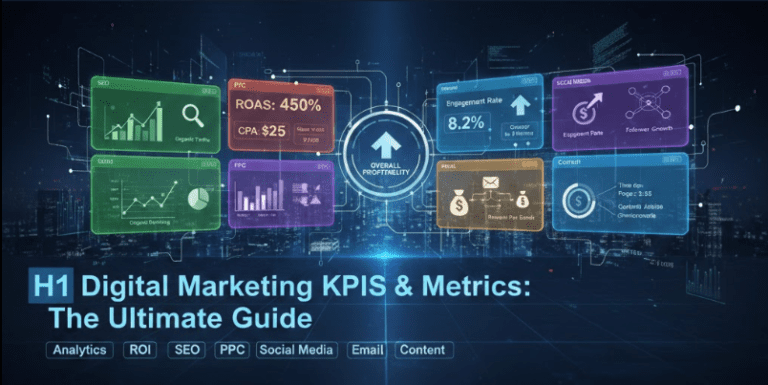
There are various types of steering dashboards, each tailored to specific analytical needs and sectors. For example, financial dashboards focus on metrics such as revenue, expenditures, and profitability, while marketing dashboards might track campaign performance and customer engagement statistics. Knowing How to Create a Dashboard in Excel tailored to your specific needs can greatly enhance its efficacy. Each type utilizes differing Excel Dashboard Design Tips to optimize data presentation and user interaction.
Whether you’re a novice seeking a straightforward Excel Dashboard Tutorial or an experienced user looking to apply Advanced Excel Dashboard Techniques, understanding these fundamental aspects and different types of dashboards is key. This knowledge forms the basis for crafting dashboards that truly perform and deliver valuable insights.
Professional Alternatives to Excel for Steering Dashboard
DashThis: Marketing Reports Made Simple
Automated and easy-to-use marketing reporting tool to save hours of work and create impactful reports.
Key Features
- Automated and customizable dashboards
- Integrations with 80+ platforms
- Pre-built templates for different reports
- White-label reports
- Automated sharing and scheduling
- AI Insights for smart analytics
* This is an affiliate link. If you make a purchase through this link, I may receive a commission at no extra cost to you.
Tableau: A Visual Analytics Leader
Tableau stands out as a leading visual analytics platform that takes dashboard creation to an advanced level. Unlike Excel, Tableau specializes in making complex data comprehensible through intuitive and interactive visuals. This feature is especially crucial when building dashboards that require a dynamic interface with drill-down capabilities. Users can leverage Tableau’s robust set of tools to transform raw data into visually appealing and easy-to-understand steering dashboards. The platform supports real-time data updates, which is essential for maintaining accurate and current dashboard displays, surpassing the static nature of traditional Excel dashboards.
Furthermore, Tableau’s collaborative features allow team members to share insights and make data-driven decisions efficiently. This collaborative environment enhances productivity and is ideal for organizations where decision-making is critical. The ability to embed dashboards into business applications also ensures that actionable insights are readily accessible, making it a superior choice for companies looking to integrate analytics directly into their operational workflows.
Microsoft Power BI: Seamless Integration and AI
Microsoft Power BI is another robust alternative for creating steering dashboards, offering seamless integration with other Microsoft products. For users entrenched in Microsoft’s ecosystem, Power BI provides an easy transition from Excel, enhancing the dashboarding experience with better scalability and additional database connectivity. This integration enables users to seamlessly import data from various sources, simplifying the Excel dashboard design process into a more dynamic and interactive approach.
Power BI integrates advanced AI capabilities, providing predictive analytics and automated insights, which are not readily available in Excel. These features allow users to uncover hidden trends and make forecasts based on historical data, empowering businesses to anticipate future outcomes rather than just visualize current data. Power BI’s real-time dashboard capabilities ensure that all team members have the latest information at their fingertips, making it an invaluable tool for data-driven organizations.
Qlik Sense: User-driven Data Discovery
Qlik Sense offers a user-driven approach to data analytics and dashboard creation that emphasizes self-service without sacrificing depth and analytical rigor. Unlike the traditional spreadsheet limitations of Excel, Qlik Sense allows users to explore data deeply through its associative analytics engine. This means data connections are made automatically, enabling users to discover insights through simple navigation and interaction with their dashboards.
The platform’s responsive design ensures that steering dashboards created in Qlik Sense are optimized for any device, enhancing user experience and accessibility. Moreover, its open APIs allow easy integration with any data source and customization according to business needs, which provides a flexible environment for advanced Excel dashboard techniques. Particularly advantageous is Qlik Sense’s ability to handle large volumes of data without performance degradation, making it suitable for enterprises with vast data streams requiring continuous insight and analysis.
Planning Your Steering Dashboard
Identify Your Audience and Objectives for Steering Dashboard
In the preliminary stages of planning a Steering Dashboard, it is essential to identify the primary audience who will use the dashboard. Whether targeting department heads, project managers, or external stakeholders, understanding the audience helps tailor the dashboard’s complexity and content. Simultaneously, setting clear objectives for your dashboard is crucial. Define what you aim to achieve – be it enhancing daily decision-making processes, tracking project progress, or assessing financial health. Knowing your end goal ensures that the dashboard remains focused and functional, ultimately increasing its utility and effectiveness.
Decide on Key Performance Indicators (KPIs) of Steering Dashboard
Selecting appropriate KPIs is vital for the success of any Steering Dashboard. These indicators should align precisely with the identified objectives to monitor progress effectively and facilitate decision-making. For instance, if the dashboard’s goal is to track the financial status of projects, key indicators might include current budget spend, estimated versus actual costs, and ROI. Carefully chosen KPIs ensure that the dashboard not only presents data but also delivers insights that are actionable and relevant to the users’ needs.
Sketch a Layout and Design Concept for your Steering Dashboard
The layout and design of your Steering Dashboard play a significant role in how the information is perceived and interpreted by users. Start by sketching a preliminary design that promotes easy navigation and prioritizes essential information. Consider the dashboard’s usability on different devices and platforms, ensuring that the design is responsive and accessible. Effective visual hierarchy and a clear, intuitive layout aid in better engagement and allow users to interact more effectively with the data presented.
Tool Selection for Data Management and Visualization in Steering Dashboard
Choosing the right tools is crucial for efficiently managing data and creating compelling visualizations in a Steering Dashboard. Tools like Microsoft Excel are commonly used because of their accessibility and familiarity among many business professionals. Excel supports various data manipulation and visualization techniques essential for dashboard creation. However, for more dynamic and interactive dashboards, software like Tableau or Power BI may be more appropriate. These tools offer advanced features for real-time data updates and more complex visual representations, though they require a steeper learning curve and potentially higher investment.
Collecting and Preparing Data for Steering Dashboard
Data Collection for Steering Dashboard
Effective data collection is fundamental to the success of any Steering Dashboard, which requires a comprehensive approach to gathering accurate and relevant data. Primarily, data can be sourced from internal systems such as sales databases, customer relationship management (CRM) systems, and operations records. For more enriched insights, external data such as market trends, demographic data, and economic indicators may also be integrated. To ensure data reliability and validity, it is crucial to establish a protocol for data verification and validation at the point of collection. This might involve routine checks, automated error tracking systems, and periodic audits. Employing such meticulous collection strategies helps in reducing biases and errors that could compromise the decision-making process.
Data Importing into Excel for Steering Dashboard
Once the data is collected, it needs to be imported into Excel, a common tool for conducting initial analyses and preparing data for dashboard integration. Excel is versatile in handling various data formats including CSV, XML, JSON, and data pulled directly from databases via ODBC connections. To streamline the import process, Excel offers features such as ‘Get & Transform Data’ (Power Query) which aids in connecting to different data sources and facilitating transformations needed before data use. Understanding and utilizing these tools effectively allows for a smooth transition of data into Excel where it can be further manipulated and analyzed.
Data Cleaning for Steering Dashboard
Data cleaning is a critical step in ensuring the accuracy of insights generated from any dashboard. In Excel, this involves several key activities: removing duplicate records, correcting inconsistencies in data entries, and dealing with missing values either through deletion or imputation. Tools like ‘Remove Duplicates’, conditional formatting to highlight errors, and ‘Go To Special’ to identify blanks, are immensely beneficial in this phase. Moreover, Excel’s ‘Data Validation’ feature can be used to prevent future incorrect data entries. Rigorously cleaning the data minimizes the risk of faulty analysis and ensures that the data remains robust and trustworthy.
Data Organization for Steering Dashboard
Organizing data effectively within Excel is pivotal for subsequent dashboard operations. Structuring data involves setting it out in tabular formats with clear headers that define each column’s content. Data categorization should be logically done to mirror the kind of analysis to be performed. Utilizing Excel’s ‘Tables’ feature can greatly enhance data management by automatically handling ranges and improving data accessibility. Proper organization not only aids in efficient data analysis but also in maintaining consistency and clarity throughout the data’s lifecycle in the dashboard system.
Dynamic Data Ranges for Steering Dashboard
The Dynamic Data Range is a crucial concept in Excel especially useful for dashboards that require regular data updates. Utilizing Excel’s ‘Defined Names’ and ‘Tables’, which automatically expand as new data is added, helps maintain an efficient data foundation in a dynamic setting. Dynamic ranges ensure that calculations, summaries, and visualizations are always up-to-date, providing ongoing relevancy to the analysis performed on the steering dashboard. Mastering these dynamic tools in Excel allows for a more adaptive and resilient approach to data management in a fast-paced decision environment.
Building the Steering Dashboard
Creating the Steering Dashboard Layout
The foundation of a successful Steering Dashboard in Excel begins with meticulous preparation of the workbook. Initially, select a clear, functional template that aligns with the objectives of the dashboard, ensuring it facilitates easy data entry and visualization. Begin by setting up separate sheets for raw data input and the dashboard display. This organization keeps data management clean and reduces errors. Always start with inputting critical metrics and data points that reflect your core KPIs, arranged in a structured format to benefit later steps like PivotTables and chart integration.
Adding Charts and Graphs in your Steering Dashboard
Visual representation of data is pivotal in a Steering Dashboard. Excel offers a broad array of chart types, such as bar graphs, line charts, and pie charts tailored to different kinds of data and analysis. Choose charts that most intuitively display the trends and metrics important to the stakeholders. For example, use line charts for continuous data over time and pie charts for percentage shares. Customize each chart by adjusting colors, labels, and legends within the « Design » and « Format » tabs to make the data presentation as clear and impactful as possible. Lastly, arrange these visuals strategically on the dashboard to allow viewers to easily interpret the trends at a glance.
Incorporating PivotTables in your Steering Dashboard
PivotTables are powerful tools in Excel used to summarize large sets of data easily and dynamically. Begin by selecting the entire dataset and clicking on « Insert > PivotTable. » This action opens a new worksheet where you can drag and drop fields to create different views of your data according to your needs. Configure the PivotTable to display aggregates like sums, averages, or counts that are relevant to your dashboard’s goals. These tables can rapidly highlight key information without lengthy calculations, providing a quick reference point for decision-making processes.
Using Formulas and Functions in your Steering Dashboard
Effective use of Excel formulas and functions is crucial in extracting meaningful insights from data compiled in your Steering Dashboard. Employ common functions like SUMIF for conditional summing, VLOOKUP for cross-referencing data, and COUNTIF to count conditionally. Such functions streamline complex calculations and automatically update results as data changes, enhancing both reliability and efficiency. Also, consider using conditional formatting to automatically highlight key figures, trends, or deviations in your data, making them stand out for faster analysis at a glance.
Adding Interactivity with Slicers and Timelines in Steering Dashboard
Integrate slicers and timelines to create an interactive Steering Dashboard that allows users to customize data views according to their specific needs. Slicers can be added via « Insert > Slicer, » connecting them to your PivotTables or charts. Customize slicers for different datasets such as dates, categories, or significant metrics, letting users refine what data appears on the dashboard. Timelines perform similarly but are specific to date fields, providing a dynamic method to select periods directly from a time-bar interface. This interactivity significantly enhances user engagement and makes exploration of data intuitive and efficient.
Finalizing Your Steering Dashboard
The last steps in creating an effective Steering Dashboard involve a thorough review and final touches. Ensure that all data displayed is accurate and current, check formulas and configurations for errors, and secure your workbook by protecting sensitive data sheets. Finally, consider creating a user guide or tooltips that explain how to interact with the dashboard’s elements, which can be particularly helpful for users unfamiliar with Excel’s advanced functionalities. Once reviewed and secured, your Steering Dashboard is ready for presentation or distribution, equipped to aid strategic business decisions effectively.
Utilizing Advanced Excel Tools in Steering Dashboard
Advanced Chart Options in Steering Dashboard
Excel offers an array of advanced chart options that can significantly enhance the visual representation of data within a Steering Dashboard. Users can customize chart elements such as titles, labels, and legends to make charts more informative and easier to understand. Additionally, integration of combination charts allows for complex data comparisons in one single visual; for instance, combining bar and line charts can help compare categorical and continuous data simultaneously. One should also consider utilizing newer Excel chart types like Waterfall, useful for visualizing financial statements, or Sunburst, which helps in displaying hierarchical data. These specialized charts provide nuanced insights that standard charts often overlook, thus enabling better decision-making from the dashboard.
PivotTables and PivotCharts in Steering Dashboard
PivotTables and PivotCharts serve as powerful tools within Excel for dynamically summarizing and analyzing large datasets, which can be integrated into the Steering Dashboard. By using PivotTables, users can quickly aggregate and segment data across different variables, providing flexibility in viewing and breaking down complex datasets. Enhancements such as slicers or timelines for filtering data directly on the dashboard lend to a more interactive analysis. Additionally, PivotCharts visualize these insights, making trends and patterns more discernible at a glance. Depending on the user’s needs, multiple fields can be added to the PivotCharts to deepen the level of analysis and offer further granularity.
Data Validation in Steering Dashboard
Incorporating data validation in Steering Dashboard prevents errors by ensuring that only permissible data can be entered into the workbook. Excel’s data validation features allow users to set up specific rules that can restrict inputs to certain ranges, formats, or lists. Utilizing drop-down lists not only limits input to valid options but also enhances usability and reduces entry errors. To fortify dashboard integrity further, users can apply settings to prevent invalid dates, duplicate values, or incongruent inputs. This is critical in maintaining reliable data, especially when dashboards are used by multiple stakeholders to make strategic decisions.
Conditional Formatting in Steering Dashboard
Conditional formatting is an essential feature in Excel that can be leveraged to visualize data effectively in a Steering Dashboard. By setting formulas that reflect business rules, cells can automatically change styles based on their values to highlight anomalies, trends, and patterns in the data—like using red to highlight downward trends and green for upward trends. Implementing data bars or color scales can provide a quick visual summary of performance, while icon sets can be used to depict status updates (such as complete, in-progress, and not started). These visual aids help users to assimilate data quickly, making the dashboard not only functional but also intuitively actionable.
Macros and VBA Scripts in Steering Dashboard
Macros and VBA scripts enhance the functionality of the Steering Dashboard by automating repetitive tasks and integrating custom features. Even users with limited programming knowledge can record simple macros to automate routine updates. For more advanced automation and customization, VBA programming allows for intricate procedures, including interacting with other applications, sending alerts, or updating external databases automatically. However, it’s vital to consider the security implications of enabling macros, as they can pose a risk if not properly managed or sourced from unreliable origins. Thus, maintaining strict control over what scripts run within your dashboard is crucial.
Security Features in Steering Dashboard
Securing the data embedded within the Steering Dashboard is paramount, especially to preserve data integrity and confidentiality. Excel provides several security features, such as the ability to password-protect documents, which prevents unauthorized access to sensitive information. Users can also encrypt entire workbooks for an added layer of security to ensure data is protected during transmission or storage. Furthermore, editing restrictions can be imposed, allowing only specific sections of the dashboard to be edited by certain users. Collectively, these features safeguard data and help maintain the credibility of the insights derived from the dashboard.
Designing with Excel Steering Dashboard Templates
Advantages of Using Excel Steering Dashboard Templates
Steering Dashboard projects often require meticulous data analysis and presentation, and Excel templates offer a streamlined solution to kickstart these projects. Utilizing pre-designed templates can significantly save time that would otherwise be spent on setting up complex formulas and layouts from scratch. These templates ensure consistency in reporting formats across different segments of the organization, upholding professional standards and reliability in data representation. Additionally, given the flexibility of Excel, these templates can be tweaked for a custom fit, ensuring that they meet all specific project requirements while maintaining a professional appearance.
Finding Excel Steering Dashboard Templates
Finding the right Excel template for a Steering Dashboard can be as straightforward as visiting the official Microsoft Office website, where numerous templates are available for various business and project needs. However, for more specialized requirements, industry-specific forums and communities can be invaluable resources for templates that are already tailored to specific industries. Additionally, third-party providers often offer a diverse array of templates, some even with advanced features not typically found in standard Excel templates. Whether it’s a generic template for broad use or a niche template for a specialized project, these sources provide numerous options to start with a strong foundation.
Customizing Templates to Fit Your Needs in Steering Dashboard
While ready-made Excel templates provide a great starting point, the effectiveness of a Steering Dashboard hinges on how well it can be adapted to the specific needs of a project. Customizing these templates involves altering layouts to accommodate new types of data, integrating unique features such as automated calculations or conditional formatting, and adjusting formulas and functions to align with new project parameters. Such modifications not only enhance functionality but also ensure that the dashboard remains relevant and effective in delivering insights that drive decision-making processes.
Maintaining and Updating Your Steering Dashboard
The utility of an Excel Steering Dashboard extends beyond its initial setup, requiring regular updates and maintenance to remain effective. This involves regularly updating data sources to reflect the latest information, refreshing charts and pivot tables to display updated data accurately, and revisiting the dashboard’s design to incorporate new requirements and feedback. Maintaining an up-to-date dashboard ensures that it continues to serve as a reliable tool for visualizing key metrics and supporting strategic decisions throughout the lifespan of the project.
Tips and Tricks in Steering Dashboard
Optimize Steering Dashboard Performance
To enhance the performance of your Excel-based Steering Dashboard, start by minimizing the use of volatile functions like INDIRECT, OFFSET, and RAND. These functions can significantly slow down your workbook as they recalculate whenever any change is made to the workbook, impacting overall response times. Instead, use more stable alternatives wherever possible. Additionally, optimizing your formula calculations by using simpler, more direct expressions and leveraging Excel’s built-in functions can speed up processing. Manage data connections by keeping your external data sources well-defined and query-driven, pulling only necessary data into your dashboard to avoid excessive computation and workbook bloat.
Enhance Data Visualization for Steering Dashboard
For a more impactful Steering Dashboard, advanced data visualization techniques can be employed. Utilize dynamic charts and graphs that automatically update with new data inputs to provide real-time insights. Consider using combination charts for a layered approach to data representation, which can display multiple trends and correlations effectively. Excel’s conditional formatting can be a powerful tool to highlight key figures, trends, and outliers, enabling quicker decision-making at a glance. Integrating interactive elements such as dashboard slicers or timelines for users to customize views can significantly enhance the user experience and the actionable quality of the presented insights.
Improve User Interaction for Steering Dashboard
Improving user interaction begins with integrating form controls like combo boxes, check boxes, or sliders directly into your Steering Dashboard. These tools help users interact with the data more intuitively, enabling them to filter and analyze data subsets effectively. Consider using slicers for pivot tables and charts, as they provide a straightforward means of dynamically segmenting and drilling down into data. Making your dashboard interactive not only makes it more engaging but also empowers users to perform their data analysis, catering to varied informational needs across different users.
Maintain and Update Your Steering Dashboard
Maintaining and updating your Steering Dashboard is crucial for its longevity and relevance. Regularly refresh the data in your dashboard to reflect the most current information. This might involve setting up automatic data refreshes if your data sources are frequently updated. It is also wise to revisit and revise your templates and structures to accommodate any changes in data structure or user requirements. Ensuring that your dashboard evolves with ongoing business needs and technological advancements is key to maintaining its effectiveness and utility.
Ensure Accuracy and Reliability for Steering Dashboard
To ensure the accuracy and reliability of data within your Steering Dashboard, robust data verification processes should be embedded. Use error-checking formulas to identify anomalies or inconsistencies in the data input and processing stages. Employing functions like IFERROR and ISERROR can help manage errors gracefully. Additionally, keeping an audit trail of changes in data inputs and formula adjustments can help trace source and evolution of data, enhancing transparency and accountability. Regular audits and reviews of the dashboard processes and functionalities ensure that the data remains precise and dependable, reinforcing the reliability of your decision-support tools.