Have you ever felt overwhelmed while trying to create efficient Road transport dashboard guides in Excel? You’re not alone. Many find it challenging to transform raw data into an actionable, visually appealing format that aids in decision-making. It’s not just about data entry; it’s about extracting meaningful insights tailored for road transport management. This article is your hands-on companion, designed to alleviate these frustrations by guiding you through the process step by step. From setting up your spreadsheet to customizing it with precise functionalities, we’ll ensure you develop the competence to create dashboards that truly make a difference in your workflow.
This guide is packed with Excel dashboard templates for transportation, practical Transport management dashboard examples, and actionable tips that promise to elevate your skillset. Whether you are a novice eager to learn the basics or an advanced user looking to refine your techniques, this comprehensive walkthrough is crafted to cater to your needs. By integrating these expert strategies and leveraging our templates, you’ll be empowered to create dashboards that not only track data effectively but also drive strategic transport operations efficiently.
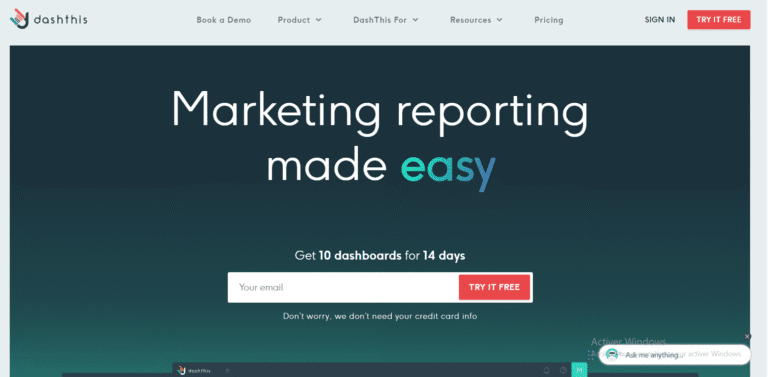
DashThis: Marketing Reports Made Simple
Automated and easy-to-use marketing reporting tool to save hours of work and create impactful reports.

Key Features
- Automated and customizable dashboards
- Integrations with 80+ platforms
- Pre-built templates for different reports
- White-label reports
- Automated sharing and scheduling
- AI Insights for smart analytics
* This is an affiliate link. If you make a purchase through this link, I may receive a commission at no extra cost to you.
Understanding Road Transport Dashboard
Road transport dashboards in Excel provide a centralized platform for monitoring, managing, and optimizing the various aspects of transportation activities. A well-constructed dashboard can turn complex data into actionable insights, enhancing the efficiency and decision-making processes within transport management. For professionals in the logistics and transportation sectors, mastering the use of Excel dashboard templates for transportation is essential. These dashboards not only offer a real-time overview of crucial metrics but also facilitate detailed analysis to drive strategic operational improvements.
1- Key Components of Road Transport Dashboard
Effective road transport dashboards consist of several key components that help streamline operations and improve decision-making. At the core, transport management dashboard examples usually showcase elements such as real-time tracking of vehicles, fuel consumption analysis, driver performance metrics, and maintenance scheduling. These components are crucial in monitoring operational health and productivity, ensuring that managers can quickly address inefficiencies and optimize the logistics chain. Additionally, the flexibility of Excel allows users to customize these components to suit specific operational needs, adapting to various scenarios encountered in road transport management.
2- Types of Road Transport Dashboard
The design of a road transport dashboard can vary depending on the specific needs and objectives of the management team. Generally, these dashboards can be categorized into operational, strategic, and analytical dashboards. Operational dashboards provide ongoing monitoring of critical metrics, enabling immediate responses to operational issues. On the other hand, strategic dashboards analyze longer-term data trends to aid in high-level decision making and planning. Lastly, analytical dashboards dive deeper into data analysis, helping to uncover underlying patterns and forecasting future trends. Understanding the distinct purpose and utility of each type can significantly enhance the relevance and efficacy of the dashboard created.
Teaching transport professionals how to develop and utilize these dashboards through a comprehensive Road transport dashboard guide not only simplifies complex logistical data but also boosts the operational capability of their fleets. In doing so, they can achieve a higher level of service efficiency and customer satisfaction in an increasingly competitive market.
Professional Alternatives to Excel for Road Transport Dashboard
In the sphere of road transport management, the need for dynamic, real-time, and visually compelling dashboards cannot be overstated. While Excel offers flexibility and familiarity, there are specialized tools designed to address industry-specific challenges. This section delves into three professional alternatives to Excel that enhance the creation and management of road transport dashboards.
DashThis: Marketing Reports Made Simple
Automated and easy-to-use marketing reporting tool to save hours of work and create impactful reports.
Key Features
- Automated and customizable dashboards
- Integrations with 80+ platforms
- Pre-built templates for different reports
- White-label reports
- Automated sharing and scheduling
- AI Insights for smart analytics
* This is an affiliate link. If you make a purchase through this link, I may receive a commission at no extra cost to you.
Tableau: Intuitive and Powerful Visualizations
Tableau stands out as a formidable tool for individuals seeking sophisticated yet user-friendly transport management dashboard examples. Known for its robust data visualization capabilities, Tableau allows users to create interactive and complex dashboards seamlessly. It accommodates large datasets prevalent in road transport management, enabling real-time data processing and updates without performance lags – an essential feature for logistics where timeliness is critical. Moreover, Tableau’s dashboards are highly customizable and mobile-friendly, ensuring access to critical transport metrics on-the-go, which greatly surpasses Excel in terms of accessibility and interactivity.
Power BI: Comprehensive Data Integration
Microsoft Power BI is another powerful contender, particularly effective in integrating various data sources, which is a common requirement for comprehensive road transport dashboards. Power BI provides advanced analytics, including predictive models and machine learning capabilities, to forecast trends and enhance decision-making processes in transport management. Its natural language querying and AI-powered insights help simplify the complexity typically associated with massive datasets. Beyond that, Power BI’s ability to seamlessly integrate with other Microsoft products enhances its utility, providing a cohesive environment that Excel alone might struggle to offer.
Qlik Sense: User-driven Data Discovery
Qlik Sense offers a unique approach with its associative data indexing engine, which is ideal for exploring data intuitively without the predefined hierarchies that Excel depends on. This capability allows transport managers to uncover hidden trends and make correlations that are not immediately apparent, providing a deeper insight into operational efficiencies and anomalies. The drag-and-drop interface ensures that creating a transport management dashboard is not only straightforward but also customizable to the specific analytics needs of a transportation operation. Additionally, Qlik Sense is designed to be responsive and adaptive, ensuring that dashboards adjust seamlessly across devices, which is a significant advantage over the static nature of Excel dashboards.
While Excel remains a popular tool for dashboard creation due to its widespread availability and fundamental analytical features, these specialized alternatives offer tailored functionalities that significantly amplify effectiveness, efficiency, and decision-making in road transport management. By choosing a platform aligned specifically with the demands of road transport logistics, professionals can leverage the full potential of real-time data analysis and visualization.
Planning Your Road Transport Dashboard
Identify Your Audience and Objectives for Road Transport Dashboard
When planning a road transport dashboard, the first crucial step is to identify who will be using the dashboard and what the primary objectives are. Whether the audience includes transport managers, drivers, or logistics coordinators, understanding their needs and daily challenges will guide the dashboard’s structure and functionality. Objectives might range from reducing fuel consumption, improving delivery times, to enhancing driver safety. Clearly defining these objectives early in the planning process ensures that the dashboard remains focused and effective, providing relevant insights that drive real-world decisions.
Decide on Key Performance Indicators (KPIs) of Road Transport Dashboard
Selecting the right Key Performance Indicators (KPIs) is vital for measuring the success of a road transport dashboard. KPIs should directly reflect the objectives previously set. For instance, if the goal is to reduce operational costs, appropriate KPIs could include fuel efficiency, maintenance costs, and idle time. It’s important the selected KPIs are measurable and provide actionable insights, allowing users to gauge performance and implement necessary improvements effectively.
Sketch a Layout and Design Concept for your Road Transport Dashboard
The layout and design of your road transport dashboard should prioritize simplicity and clarity to enhance user engagement and usability. Start by sketching a rough layout that organizes information hierarchically, placing the most critical KPIs front and center. Consider the use of graphical elements such as charts and maps, which can make data consumption more intuitive. Ensuring the dashboard is visually appealing but not overly complicated is key to facilitating quick data analysis and decision-making processes.
Tool Selection for Data Management and Visualization in Road Transport Dashboard
Choosing the right tools for data management and visualization is crucial for building an efficient road transport dashboard. Options range from specialized software like Tableau and Power BI to more accessible solutions such as Google Data Studio. Each tool comes with its own set of strengths; for instance, Tableau excels in handling large datasets and complex visualizations, whereas Google Data Studio might be preferred for its cost-effectiveness and integration with other Google services. Evaluate the specific needs of your road transport dashboard in terms of real-time data processing, ease of use, and budget when selecting the appropriate tool.
Collecting and Preparing Data for Road Transport Dashboard
Data Collection for Road Transport Dashboard
Collecting high-quality data is fundamental to creating an effective Road Transport Dashboard. The primary data sources include traffic sensors, GPS tracking systems from public and commercial vehicles, transport management systems, and accident reports from traffic authorities. To ensure the reliability and validity of the data, it is critical to utilize standardized data collection protocols and employ technologies that provide real-time and precise data. Verifying data authenticity and accuracy by comparing inputs from multiple sources can further reinforce the reliability of the collected data. Periodic audits and validation checks should also be implemented to maintain data integrity over time.
Data Importing into Excel for Road Transport Dashboard
Once data collection is complete, the next step involves importing this data into Excel, which serves as a versatile tool for preliminary data handling and analysis. Excel supports various data formats including CSV, XML, and JSON. Importing data can be efficiently managed using the ‘Data’ tab where one can select ‘Get External Data’. For files like CSV, using the ‘Text Import Wizard’ allows custom configurations to ensure data columns are correctly interpreted. Additionally, Excel’s ‘Power Query’ feature is invaluable for importing data from databases and merging different datasets, which is especially useful when dealing with large volumes of transport data.
Data Cleaning for Road Transport Dashboard
Data cleaning is a critical step in preparing your dataset for analysis in the Road Transport Dashboard. Common issues such as duplicate records, incorrect data entries, or incomplete information must be addressed. Excel offers several tools for this purpose; for instance, the ‘Remove Duplicates’ feature can be utilized to eliminate redundant entries, while ‘Data Validation’ helps in ensuring that all entries meet predefined criteria, which is crucial for maintaining data quality. Functions like ‘TRIM’ and ‘CLEAN’ are helpful to correct formatting issues and remove non-printable characters, respectively.
Data Organization for Road Transport Dashboard
Effective data organization enhances the clarity and efficiency of data analysis for Road Transport Dashboards. Structuring data into tables using Excel’s table feature (Insert > Table) helps in managing the data systematically. This structure encourages the use of headers for each column, which is essential in defining data types and contents. Moreover, categorizing data through sorting and filtering aids in quick accessibility and efficient data handling. Utilizing pivot tables can also be useful for aggregating and summarizing key metrics from the transportation data.
Dynamic Data Ranges for Road Transport Dashboard
In an evolving data environment like road transport monitoring, the ability to dynamically adjust data ranges in Excel is crucial. Dynamic ranges adapt as new data is added, ensuring analyses and dashboard metrics remain current. This can be achieved using ‘Named Ranges’ with OFFSET and COUNTA functions to automatically adjust the range size based on data volume. Dynamic ranges are particularly important in dashboard setups where real-time data feed is needed as they allow for continuous updates and scalability in data analysis.
Building the Road Transport Dashboard
Creating the Road Transport Dashboard Layout
Creating an effective Road Transport Dashboard in Excel begins by setting up a well-organized workbook. Start by selecting a clean, professional template that aligns with the needs of traffic management or road transport analysis. Templates can be customized to include specific tabs for different categories of data such as traffic volume, accident rates, or road maintenance schedules. Initial data entry needs to be planned methodically. Import or manually enter your data into clearly named worksheets to maintain structure. This helps in navigating through data with ease and reduces errors in later stages.
Adding Charts and Graphs in your Road Transport Dashboard
Visuals are crucial for interpreting data quickly. In your Road Transport Dashboard, integrate various charts and graphs that correspond to the specifics of the data presented. For instance, use line charts to depict traffic trends over time, bar charts for comparing accident rates across different locations, and pie charts to illustrate the proportion of various types of vehicles on the road. Customizing these charts with the company or departmental color schemes, adjusting scales, and adding legends and titles enhances clarity and professional appeal. Position charts strategically within the dashboard for immediate visibility and impact.
Incorporating PivotTables in your Road Transport Dashboard
PivotTables are powerful tools in Excel for summarizing large datasets without altering the original data. Set up PivotTables to analyze complex datasets, such as traffic data collected at different times of the day or week. Configure the PivotTables to display summative data like average, count, and total under various classifications, such as by vehicle type or by traffic light junctions. These dynamic tables allow for quick reconfiguration, enabling users to adjust their views based on different parameters or during different analysis phases effectively.
Using Formulas and Functions in your Road Transport Dashboard
To process and analyze the data within your Road Transport Dashboard, harness Excel’s array of formulas and functions. Use SUMIF to calculate totals based on specific criteria, such as the total number of road incidents in a particular area. Employ VLOOKUP to find and retrieve related data from different tables, enhancing the dashboard’s comprehensiveness. Additionally, apply conditional formatting to highlight critical issues, such as areas with unusually high traffic or accident rates, which can guide quick decision-making.
Adding Interactivity with Slicers and Timelines in Road Transport Dashboard
To enhance user engagement and facilitate deeper data exploration, incorporate slicers and timelines. Slicers serve as visual filters for PivotTables and PivotCharts, allowing stakeholders to easily sift through vast datasets and view only what’s pertinent to them. Timelines are particularly useful for temporal data, aiding in the visualization of trends over different periods. Customize these tools to match the dashboard’s theme and user interface, thus ensuring they are not only functional but also intuitive to use.
Finalizing Your Road Transport Dashboard
Conclude your Road Transport Dashboard construction by rigorously reviewing all data, visuals, and interactive elements for accuracy and functionality. Ensure that the dashboard is protected to prevent unauthorized access or alterations, especially if it contains sensitive data. Lastly, prepare the dashboard for presentation or distribution by optimizing its layout for the intended display medium, be it on a desktop screen, printed report, or a web-based platform. This ensures that the final product is both reliable and professionally polished.
Utilizing Advanced Excel Tools in Road Transport Dashboard
Advanced Chart Options in Road Transport Dashboard
In the realm of road transport analysis, effectively presenting complex data is essential for clear understanding. Excel’s advanced chart options significantly elevate the visual representation capabilities of a Road Transport Dashboard. Users can customize chart elements including axes, legends, and titles to better reflect the specifics of transportation data. The integration of combination charts, which meld line and bar graphs, can illustrate multiple trends and variables in a single view, such as showing both traffic volume and accident rates over time. Additionally, leveraging new chart types like Waterfall for financial insights, or Sunburst for hierarchical data, can give stakeholders a richer, more comprehensive visual context.
PivotTables and PivotCharts in Road Transport Dashboard
PivotTables and PivotCharts provide unparalleled functionality in dissecting large datasets within a Road Transport Dashboard. These tools allow for advanced data segmentation and aggregation, giving users the ability to drill down into specifics or pull back for broader trends. For instance, a PivotTable could summarize annual revenue from different toll booths, while a PivotChart could dynamically represent changes over time in traffic patterns across various routes. Utilizing slicers and timelines with these features helps in providing an interactive, real-time analysis experience that can adapt to varying management or operational inquiries.
Data Validation in Road Transport Dashboard
Maintaining data integrity is crucial in a Road Transport Dashboard to ensure reliability in decision-making. Excel’s data validation tools aid in enforcing input standards and accuracy. By setting up data validation rules, users can restrict entries to certain numeric ranges, dates, or lists, reducing entry errors. For example, using drop-down lists to select road conditions or incident types can standardize data entries and facilitate consistent reporting. Implementing these validations helps in stabilizing the underlying data infrastructure of transport operations.
Conditional Formatting in Road Transport Dashboard
Conditional formatting in Excel allows transportation analysts to create visually intuitive data presentations. This feature can highlight critical metrics such as delay times, accident hotspots, or maintenance needs using color scales, data bars, or icon sets. For instance, formatting that automatically colors cells based on traffic volume thresholds can quickly alert staff to potential issues or bottlenecks. By using formulas within conditional formatting, users can set more complex criteria for data visualization, tailoring the dashboard to the nuanced needs of road transport management.
Macros and VBA Scripts in Road Transport Dashboard
Automating routine functions and enhancing dashboard functionality is achievable in Excel through macros and VBA scripts. These tools can automate data collation, prepare standard reports, and even send automated alerts about road transport metrics. The initial step of recording a macro for repetitive tasks—like monthly traffic summaries—and then editing the VBA script to suit specific needs can significantly boost efficiency. However, users must be aware of potential security implications and ensure that macros are used from trusted sources or built in-house to prevent malicious code execution.
Security Features in Road Transport Dashboard
Protecting sensitive transport data is vital, particularly in scenarios where it involves location tracking or personal information. Excel’s security features, including password protection, allow users to secure their files from unauthorized access. Encrypting Excel files adds an additional layer of security, ensuring that data remains confidential during storage or transmission. Furthermore, setting up restrictions that limit editing to certain users helps maintain control over data manipulation, providing a safeguard against unintended modifications or data breaches.
Designing with Excel Road Transport Dashboard Templates
Advantages of Using Excel Road Transport Dashboard Templates
Utilizing pre-designed Excel templates for Road Transport Dashboards offers several compelling advantages. Firstly, these templates significantly save time by eliminating the need to start from scratch, allowing managers and analysts to focus more on data analysis rather than setup. Designed with professionalism in mind, these templates not only ensure a consistent layout and structure but also promote a professional appearance across reports. This is crucial in maintaining standardization, especially when sharing insights with stakeholders or across different departments.
Moreover, the inherent flexibility of Excel enables users to tweak these templates according to specific operational requirements. Whether it involves scaling the dashboard for more data points or fine-tuning the visual elements, Excel templates serve as a robust foundation for building detailed and functional road transport dashboards. Thus, they are an invaluable tool in achieving not only organizational efficiency but also dynamic functionality.
Finding Excel Road Transport Dashboard Templates
Finding the right Excel templates suited for a Road Transport Dashboard can be as easy as starting with the Microsoft Office website, which offers a variety of templates created both by Microsoft and the community. These templates are often tailored with generic needs in mind, which makes them a good starting point. Additionally, users can explore third-party providers such as Template.net or Vertex42, which offer specialized templates, including those geared towards logistics and transportation management.
Exploring online forums and communities specific to the transportation industry is another method to source these templates. Websites like LinkedIn groups or dedicated forums on Reddit can provide not only customized Excel templates but also advice and improvements from professionals who specialize in transport management. This peer-supported approach can be incredibly valuable, ensuring the templates you choose are vetted by informed users.
Customizing Templates to Fit Your Needs in Road Transport Dashboard
To turn a generic Excel template into one that fits precisely with your road transport management needs requires a bit of customization. Start by altering layouts to better visualize the data that matters most to your operations. You might need to add new sections or perhaps redefine the data points that are captured in the dashboard. Integrating unique features, such as GPS tracking data or real-time traffic updates, can vastly enhance the utility of your dashboard.
Beyond the visual adjustments, the backbone of any Excel dashboard lies in its formulas and functions. Modifying these elements to better reflect the metrics you need to track, like delivery times, fuel consumption, or driver efficiency, can transform a standard template into a critical management tool. Regular review and testing of these elements are necessary to ensure they work seamlessly as your data evolves.
Maintaining and Updating Your Road Transport Dashboard
The efficacy of an Excel road transport dashboard heavily depends on its relevance and accuracy over time. Regular maintenance and updates are crucial. This involves not just updating the data sources but also ensuring that all integrated formulas and links are functioning correctly. As business models and scales evolve, so too should your dashboard. This might mean adding new data streams or refining existing metrics to align with current business objectives.
Refreshing charts and pivot tables periodically is also essential to reflect the most current data and trends. This consistent updating process helps in making informed decisions swiftly, keeping the dashboard as a reliable tool in the management of road transport operations. It is also advisable to archive older data periodically to enhance dashboard performance while maintaining historical data for retrospective analysis and reporting.
Tips and Tricks in Road Transport Dashboard
Optimize Road Transport Dashboard Performance
Enhancing the performance of an Excel-based Road Transport Dashboard involves several crucial strategies. First, aim to minimize the use of volatile functions such as OFFSET, INDIRECT, TODAY, and RAND, which can slow down the dashboard as they force Excel to recalculate every time the workbook changes. Instead, replace these with more stable alternatives. Secondly, optimize formula calculations by using simpler formulas and leveraging Excel’s ability to handle array formulas and advanced functions efficiently. Lastly, manage data connections by ensuring that they are not only secure but also optimized for performance to prevent latency and timeouts during data retrieval.
Enhance Data Visualization for Road Transport Dashboard
Effective data visualization is critical for conveying complex information clearly and quickly. Utilize Excel’s advanced charting capabilities by incorporating a variety of chart types that align with the data’s narrative, such as line charts for trends or bar charts for comparisons. Leveraging conditional formatting can highlight key data points and trends, making them stand out instantly. Additionally, integrating interactive elements like data bars or color scales can transform static data into engaging and comprehensible visuals. These steps will provide stakeholders with an insightful data representation, further enhancing the dashboard’s utility.
Improve User Interaction for Road Transport Dashboard
To significantly improve user interaction within a Road Transport Dashboard, integrate Excel’s form controls and slicers. These tools allow users to interactively filter and analyze data without modifying any underlying datasets. Implementing interactive dashboards with slicers connected to multiple pivot tables and charts can streamline the user experience, making it easier to navigate through large data sets and complex metrics. Such enhancements not only make the dashboard more functional but also increase user engagement and data accessibility.
Maintain and Update Your Road Transport Dashboard
Regular maintenance and updates are key to keeping a Road Transport Dashboard effective and relevant. Set up protocols for regular data refreshes to keep the dashboard current with real-time or latest available data. Periodically revising the dashboard’s templates to accommodate new requirements or improve upon existing functionalities can prevent obsolescence. Moreover, always ensure that there are robust measures in place for backward compatibility, especially as new data sources are added or existing ones are modified, to mitigate any potential disruptions in dashboard functionality.
Ensure Accuracy and Reliability for Road Transport Dashboard
The accuracy and reliability of data within a Road Transport Dashboard are paramount. Implement rigorous data verification processes to validate the accuracy of incoming data. Utilizing error-checking formulas and setting up data validation rules can prevent incorrect data entry from the outset. Additionally, establishing a comprehensive audit trail that logs all changes made to the data sets can also help in tracking the source of errors and maintaining the integrity of the data presented within the dashboard.